Introduction
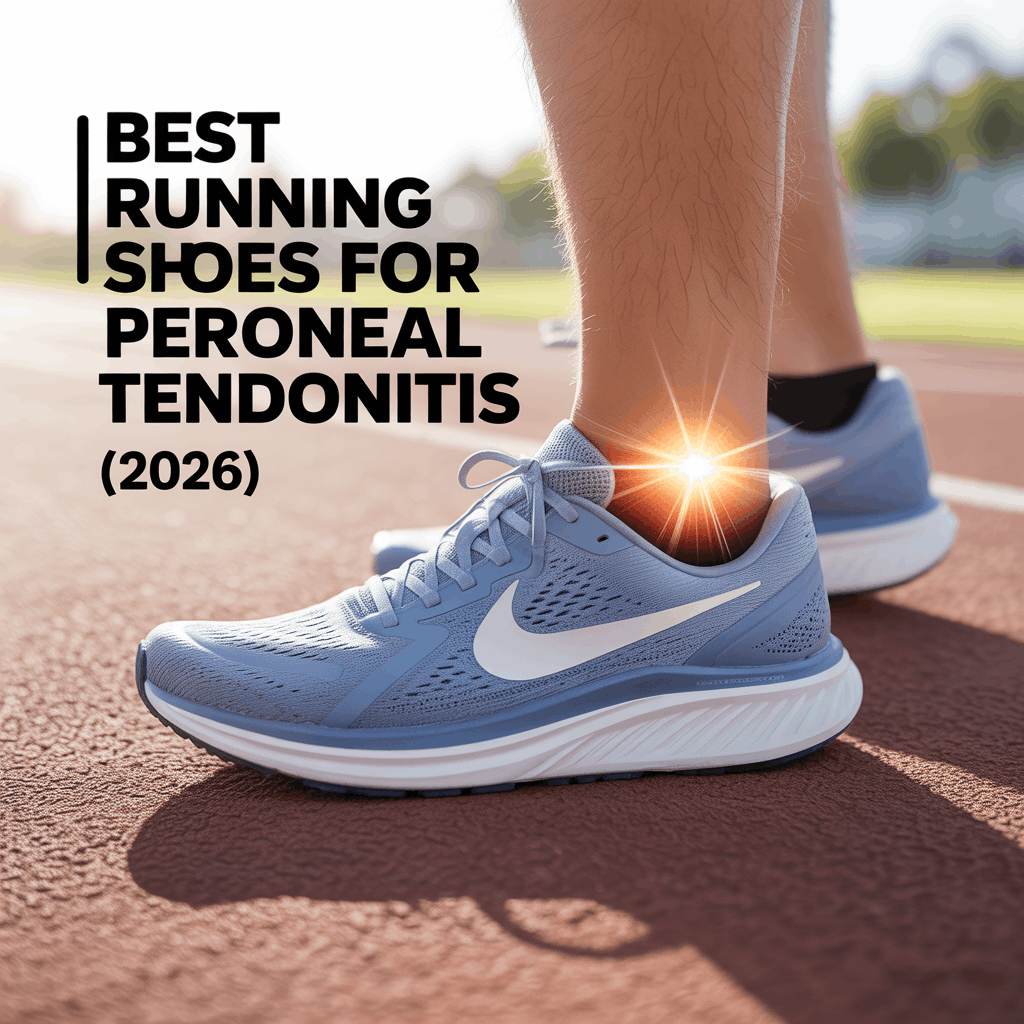
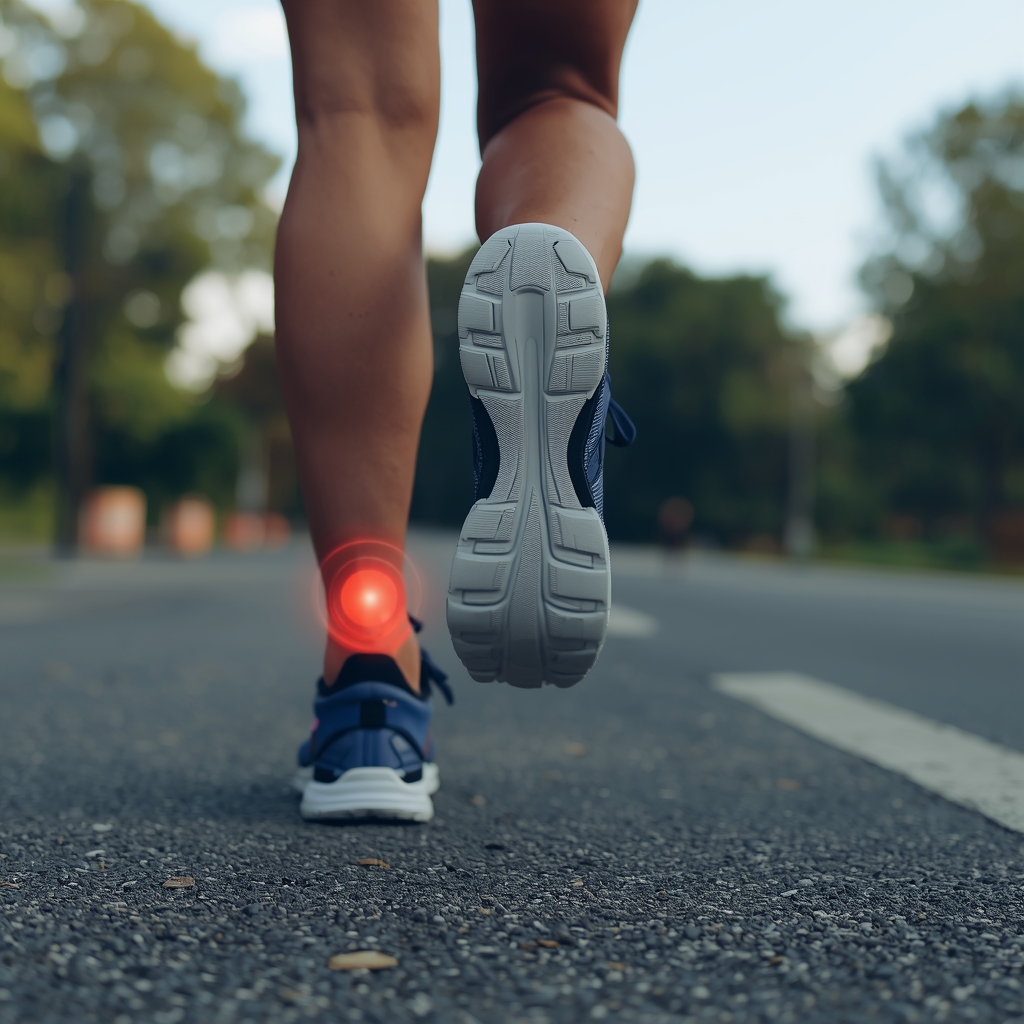
Best running shoes for peroneal tendonitis can make the difference between constant ankle pain and comfortable, confident movement. If you’ve been struggling with outer foot or ankle discomfort, the wrong pair of shoes might be making things worse.
In this guide, you’ll discover top-rated running shoes designed to provide better stability, cushioning, and support—helping reduce strain on your tendons and keep you active without pain.
🦶 What to Look for in the Best Running Shoes for Peroneal Tendonitis
Before choosing a shoe, it’s important to understand what actually helps relieve pain.
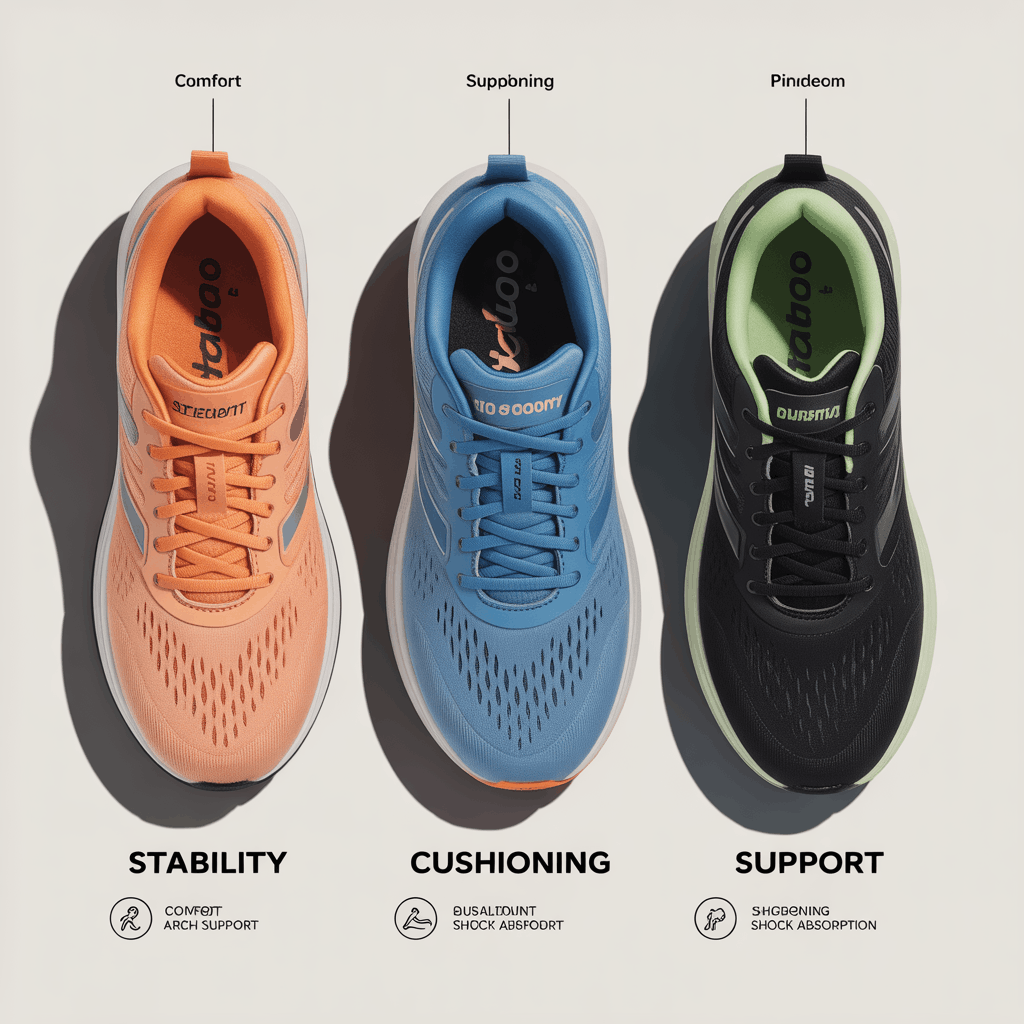
✅ 1. Strong Stability & Support
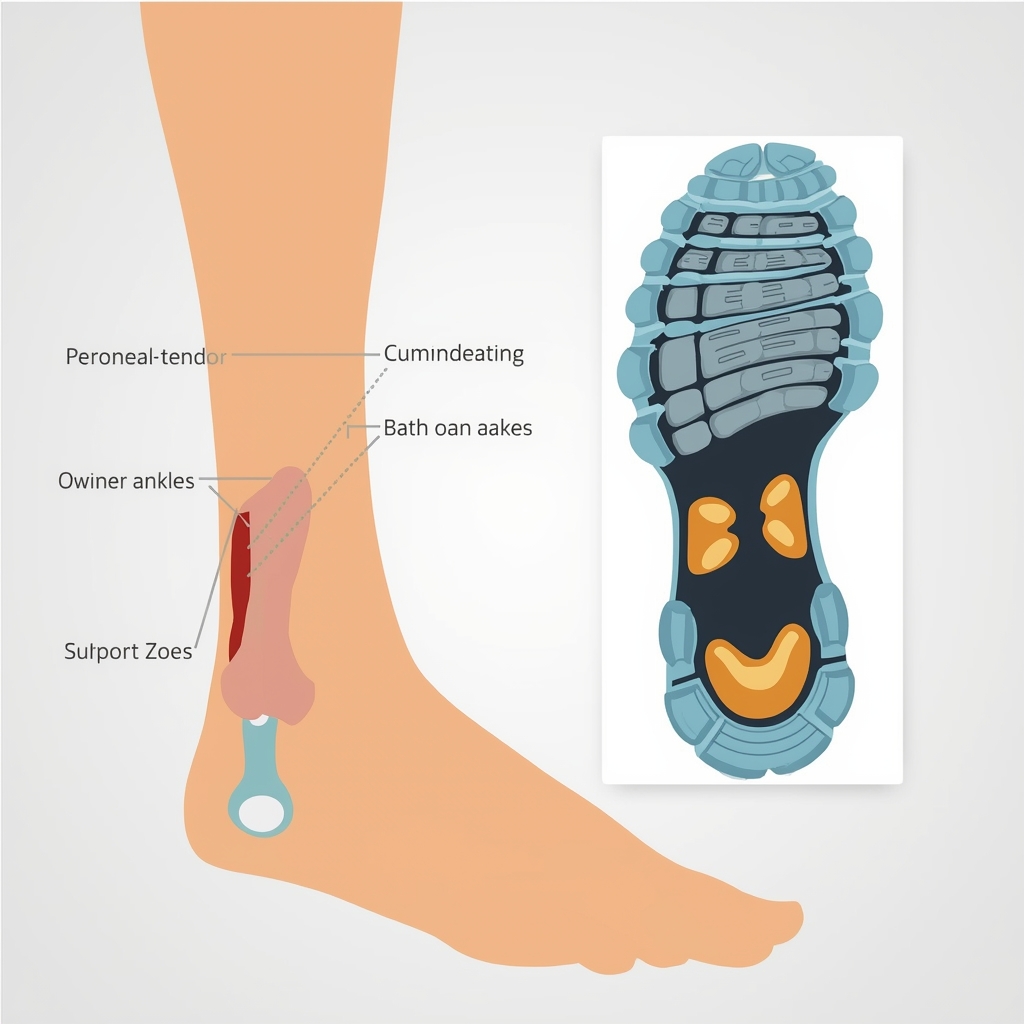
Shoes with excellent stability prevent your foot from rolling outward (supination), which is a major cause of peroneal tendon strain.
✅ 2. Cushioning for Shock Absorption
Soft yet responsive cushioning helps reduce impact on your ankles and tendons during running or walking.
✅ 3. Firm Heel Counter
A structured heel locks your foot in place and improves ankle control.
✅ 4. Proper Arch Support
Even if you have neutral feet, proper arch support helps distribute pressure evenly.
✅ 5. Moderate Heel-to-Toe Drop
A slightly higher drop (8–12mm) can reduce stress on the lower leg and tendons.
👟 Top Picks: Best Running Shoes for Peroneal Tendonitis
1. ASICS Gel-Kayano 30
Best for Stability & Support
- Excellent medial support for ankle control
- GEL cushioning reduces impact
- Great for overpronators and long runs
Pros:
✔ Superior stability
✔ Comfortable for long distances
Cons:
✖ Slightly heavy
2. Brooks Adrenaline GTS 23
Best Balanced Support Shoe
- GuideRails technology keeps your stride aligned
- Soft cushioning with firm support
- Ideal for daily running
Pros:
✔ Smooth ride
✔ Reliable support system
Cons:
✖ Not ideal for speed workouts
3. HOKA Bondi 8
Best for Maximum Cushioning
- Ultra-soft cushioning reduces joint stress
- Wide base improves stability
- Perfect for recovery runs
Pros:
✔ Maximum comfort
✔ Great shock absorption
Cons:
✖ Bulky design
4. New Balance 860v13
Best for Stability + Durability
- Dual-density midsole for support
- Durable outsole for long-term use
- Great for consistent runners
Pros:
✔ Strong stability
✔ Long-lasting
Cons:
✖ Slightly firm feel
5. Saucony Guide 16
Best Lightweight Stability Shoe
- Lightweight yet supportive
- PWRRUN cushioning for comfort
- Great for daily training
Pros:
✔ Lightweight
✔ Good flexibility
Cons:
✖ Less cushioning than max shoes
📊 Quick Comparison Table
| Shoe Model | Stability | Cushioning | Best For |
|---|---|---|---|
| ASICS Gel-Kayano 30 | High | High | Long-distance runs |
| Brooks Adrenaline GTS 23 | High | Medium | Daily training |
| HOKA Bondi 8 | Medium | Max | Recovery & walking |
| New Balance 860v13 | High | Medium | Durability |
| Saucony Guide 16 | Medium | Medium | Lightweight support |
❌ Common Mistakes to Avoid
Choosing the wrong shoes can make your condition worse. Avoid these mistakes:
- ❌ Wearing flat, unsupportive shoes
- ❌ Ignoring proper fit and width
- ❌ Choosing style over function
- ❌ Running in worn-out shoes
🧠 Expert Tips to Reduce Peroneal Tendon Pain
- Rotate between 2 pairs of running shoes
- Avoid uneven surfaces while recovering.
- Stretch and strengthen your ankle muscles
- Replace shoes every 300–500 miles
🏁 Final Thoughts
Finding the best running shoes for peroneal tendonitis isn’t just about comfort—it’s about protecting your ankles and preventing long-term injury.
If you want maximum support, go with stability models like the ASICS Gel-Kayano 30 or Brooks Adrenaline GTS 23. If cushioning is your priority, the HOKA Bondi 8 is a great choice.
🏁 Conclusion
Choosing the best running shoes for peroneal tendonitis can play a major role in reducing pain, improving stability, and helping you stay active without worsening your injury.
The key is to focus on support, cushioning, and proper fit. Stability shoes like the ASICS Gel-Kayano 30 or Brooks Adrenaline GTS 23 are excellent for controlling foot movement, while highly cushioned options like the HOKA Bondi 8 can ease impact and provide all-day comfort.
Remember, no single shoe works for everyone. Your foot type, running style, and comfort level all matter. Take time to test different options and prioritize how the shoe feels on your foot.