Introduction
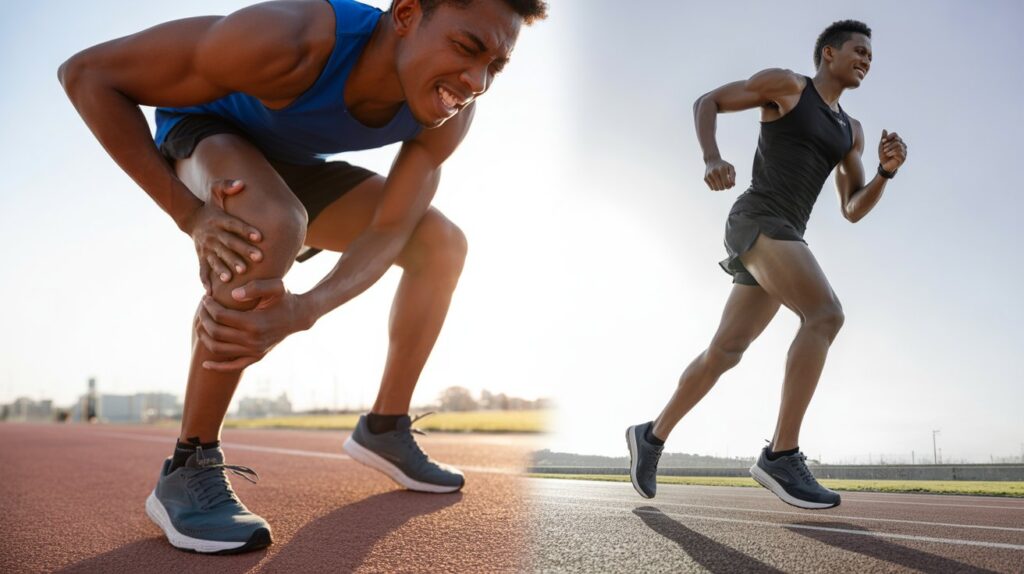
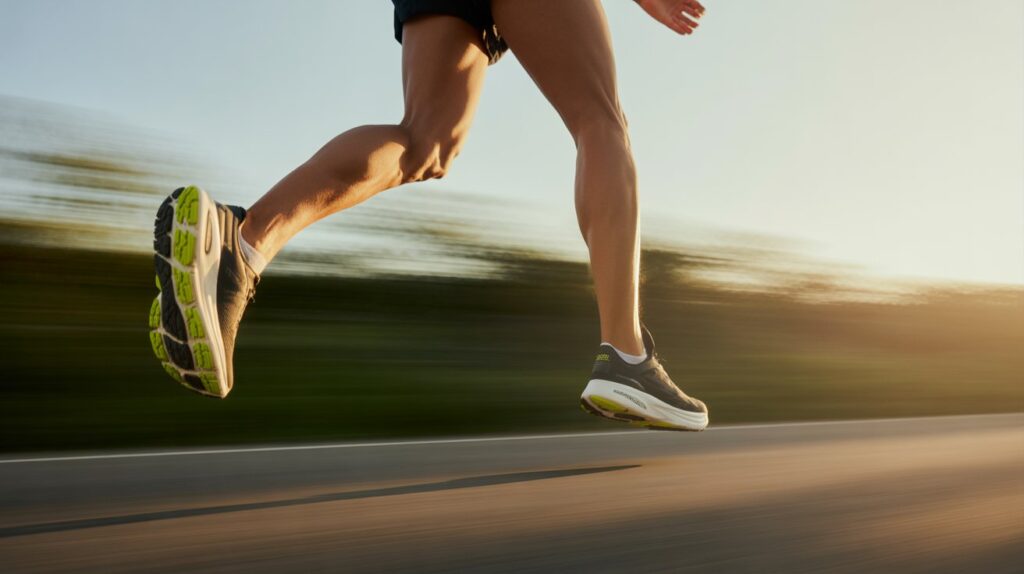
Best running shoes for calf pain can make a huge difference if you’re struggling with tight, sore calves after every run. The wrong footwear often increases strain on your muscles, leading to discomfort and even injury over time. In this guide, you’ll discover expert picks and key features to look for so you can reduce calf pain, improve comfort, and get back to running without limitations.
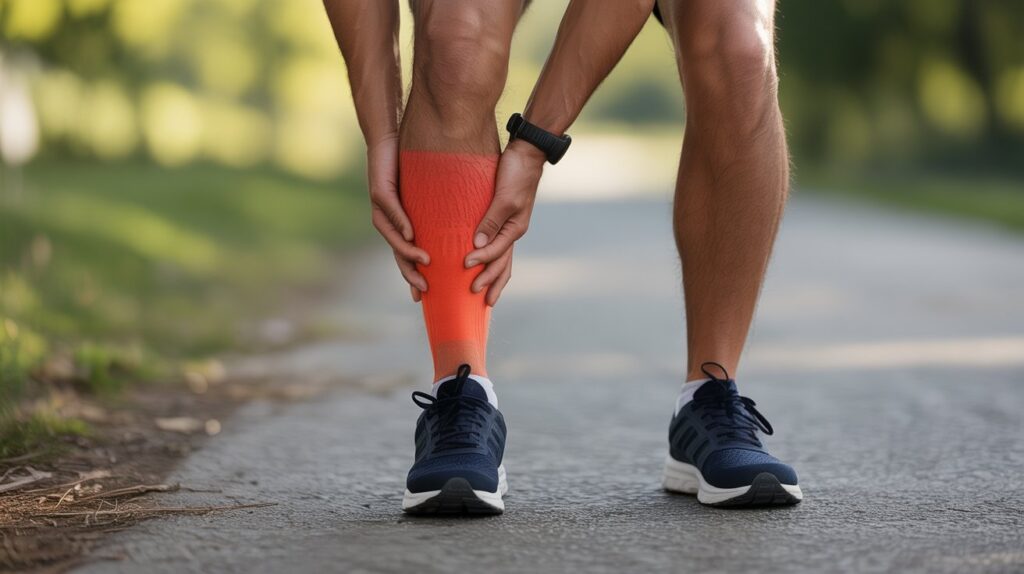
Calf pain is often caused by poor shock absorption, low heel drop, or lack of support. The right pair of running shoes can fix these issues and protect your legs from further injury.
🧠 Why Do Running Shoes Cause Calf Pain?
Many runners unknowingly wear shoes that increase stress on their calves. Here’s why it happens:
- A low heel-to-toe drop puts extra load on calf muscles
- Hard midsoles fail to absorb impact properly.
- Lack of arch support leads to overpronation and muscle strain.
- Minimal cushioning increases shock on landing
Switching to the best running shoes for calf pain can instantly improve your running experience.
👟 How to Choose the Best Running Shoes for Calf Pain
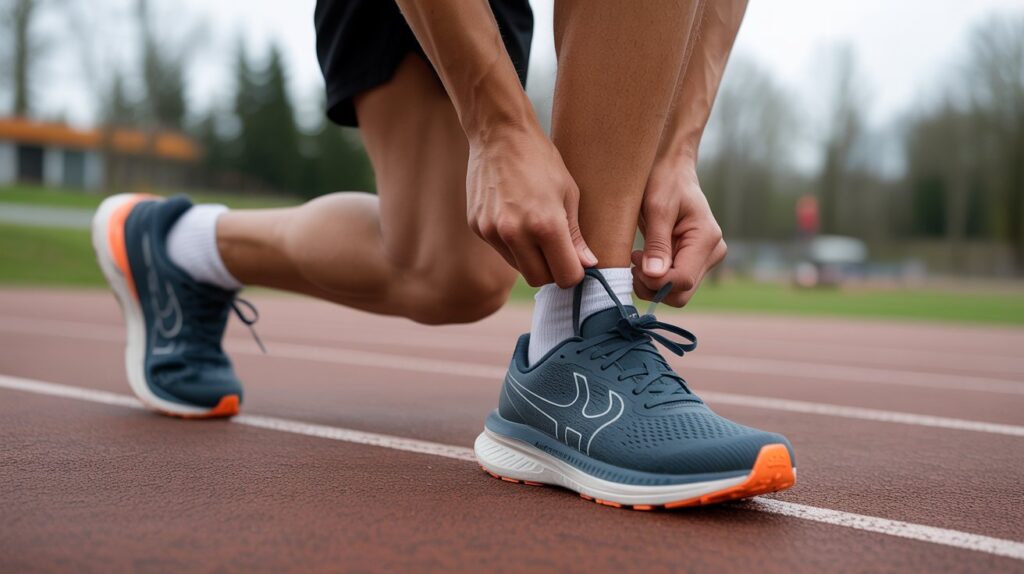
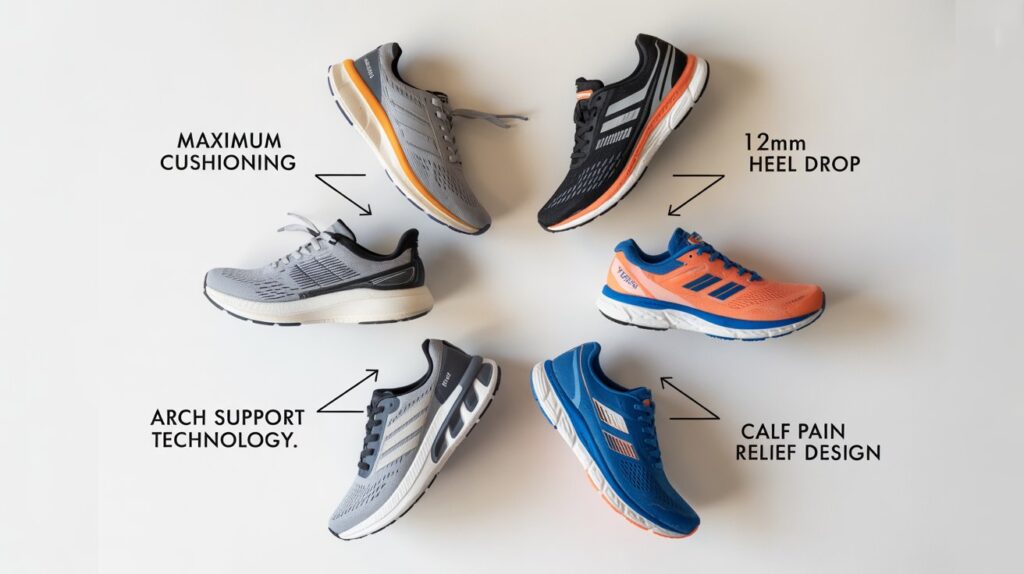
Before picking a shoe, focus on these key features:
1. Cushioning (Shock Absorption)
Shoes with soft midsoles reduce impact and protect your calves from repeated stress.
2. Heel-to-Toe Drop (8–12mm Recommended)
A higher drop reduces tension on the calf and Achilles tendon.
3. Arch Support
Good support keeps your foot aligned and prevents unnecessary muscle strain.
4. Stability Features
Shoes with stability or motion control help reduce overpronation.
5. Comfortable Fit
A snug heel and roomy toe box prevent pressure points and imbalance.
🏆 Best Running Shoes for Calf Pain
Here are expert-recommended options designed to reduce calf strain and improve comfort:
1. Brooks Ghost Series
- Soft cushioning for smooth landings
- A moderate heel drop reduces calf tension
- Ideal for daily running
👉 Best for: Neutral runners with calf soreness
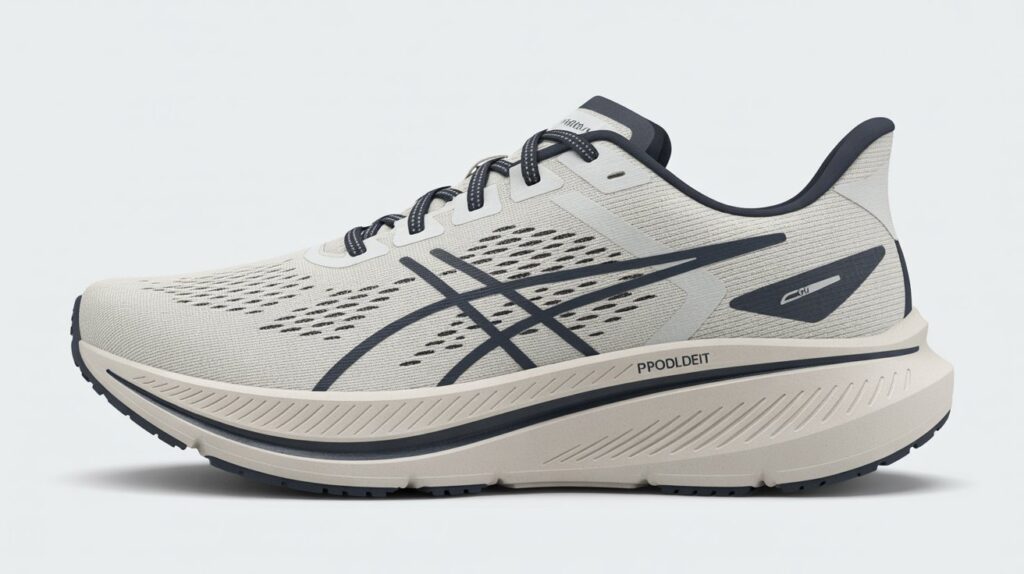
2. ASICS Gel Nimbus
- Excellent shock absorption
- Plush comfort for long runs
- Supports natural foot movement
👉 Best for: Long-distance runners with tight calves
3. HOKA Bondi Series
- Maximum cushioning
- Rocker sole reduces calf workload
- Great for injury recovery
👉 Best for: Severe calf pain or recovery phase
4. Nike Air Zoom Pegasus
- Balanced cushioning and responsiveness
- Lightweight and versatile
- Suitable for everyday use
👉 Best for: Runners wanting comfort + performance
5. New Balance Fresh Foam 1080
- Soft and flexible cushioning
- Great arch support
- Comfortable for long wear
👉 Best for: Runners with sensitive calves
⚠️ Common Mistakes to Avoid
Even the best shoes won’t help if you make these mistakes:
- Choosing zero-drop shoes when you have calf pain
- Wearing old or worn-out shoes
- Ignoring proper fit and sizing
- Switching to new shoes too quickly
🏃 Tips to Prevent Calf Pain While Running
Along with wearing the best running shoes for calf pain, follow these tips:
- Warm up before running
- Stretch your calves regularly.
- Increase mileage gradually
- Avoid sudden changes in running style
✅ Final Thoughts
Finding the best running shoes for calf pain can make a huge difference in your comfort and performance. Look for shoes with proper cushioning, a higher heel drop, and good support to reduce strain on your calves.
Whether you’re recovering from pain or trying to prevent it, the right footwear is your first step toward pain-free running.
📝 Conclusion
Choosing the best running shoes for calf pain isn’t just about comfort—it’s about protecting your muscles, improving your performance, and preventing long-term injury. The right pair can reduce strain on your calves, absorb impact more effectively, and help you run with better form and confidence.
Remember, there’s no one-size-fits-all solution. Focus on key features like cushioning, heel-to-toe drop, and proper support to find what works best for your running style and needs. Pair your shoes with good habits like stretching, gradual training, and proper recovery for the best results.
Investing in the best running shoes for calf pain today can make the difference between constant discomfort and pain-free, enjoyable runs.