Introduction
The best way to clean running shoes is something every runner searches for once dirt, stains, and odor start taking over. Running shoes go through sweat, mud, and daily wear, but cleaning them the wrong way can damage the fabric, weaken the cushioning, and shorten their lifespan. In this guide, you’ll discover an easy, shoe-safe cleaning process that removes dirt and odor without harming the materials—helping your running shoes stay cleaner, feel fresher, and last longer with every run.
Why Cleaning Running Shoes the Right Way Matters
Running shoes are made with lightweight mesh, foam midsoles, and glued components. Harsh cleaning methods can:
- Weaken the glue
- Damage breathable mesh
- Cause shrinking or warping
- Reduce shoe lifespan
That’s why using the best way to clean running shoes is essential—not just for looks, but for performance and durability.
What You’ll Need Before You Start
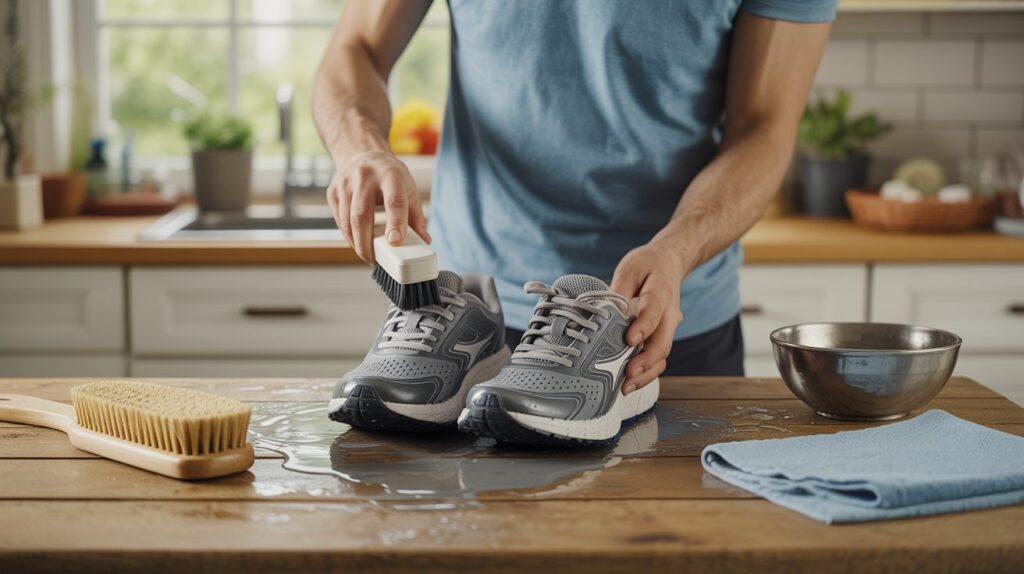
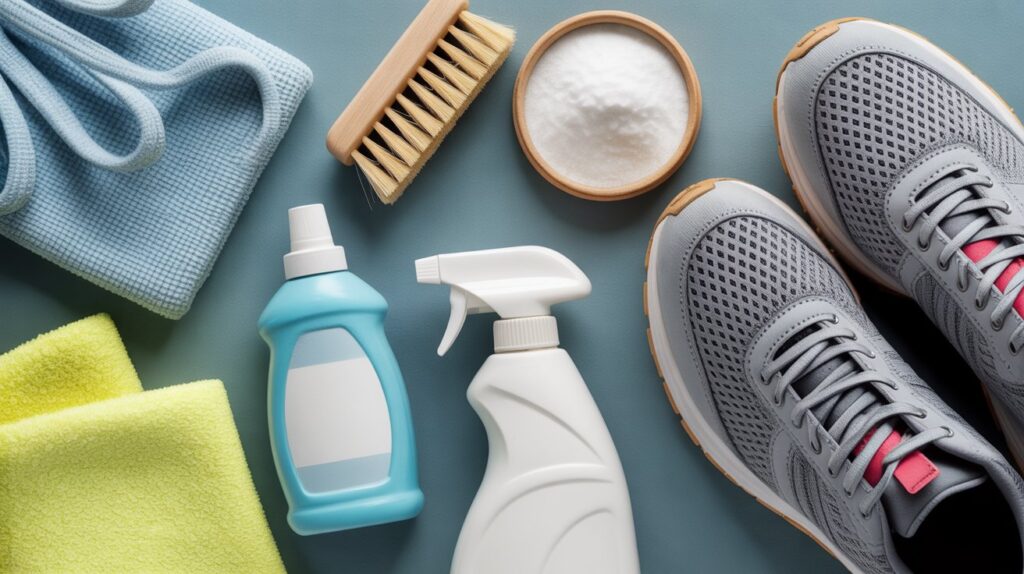
Before cleaning, gather these simple supplies:
- Soft brush or old toothbrush
- Mild liquid detergent (no bleach)
- Warm water
- Microfiber cloth or sponge
- Baking soda (optional, for odor)
- Paper towels or newspaper
Step-by-Step: Best Way to Clean Running Shoes
Step 1: Remove Laces and Insoles
Take out the shoelaces and insoles first. These trap the most odor and dirt.
- Wash laces separately in warm soapy water.
- Sprinkle baking soda on insoles and leave overnight to absorb odor.
Step 2: Dry Brush Loose Dirt
Let muddy shoes dry completely first.
After the shoes are completely dry, gently brush away any loose dirt from the outsole and upper using a soft-bristled brush.
❌ Avoid scrubbing hard—this can tear mesh fabric.
Step 3: Prepare a Gentle Cleaning Solution
Mix:
- 1 cup warm water
- A few drops of mild detergent
This solution is safe for most running shoe materials and is key to the best way to clean running shoes.
❌ Avoid bleach, strong chemicals, or powder detergents.
Step 4: Clean the Upper (Mesh or Fabric)
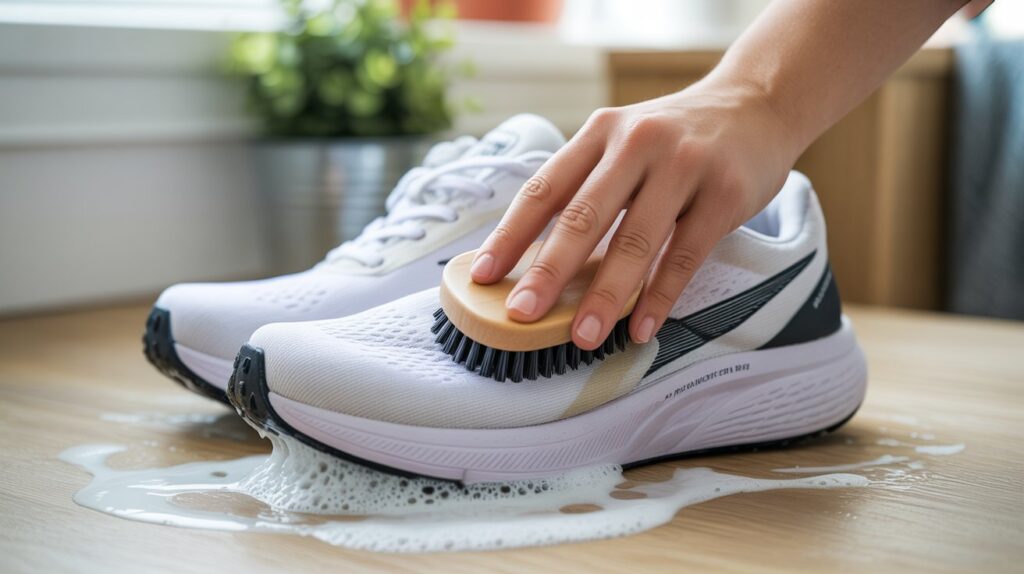
Dip a soft brush or cloth into the solution and gently scrub the upper in circular motions.
Focus on:
- Toe box
- Side panels
- Tongue area
For stubborn stains, repeat gently—don’t force it.
Step 5: Clean the Midsole and Outsole
Use the same solution to clean:
- Rubber outsole
- Foam midsole
A toothbrush works well for grooves and edges.
💡 Tip: A paste of baking soda and water helps remove yellowing from white midsoles.
Step 6: Rinse Carefully
Wipe shoes with a clean, damp cloth to remove soap residue.
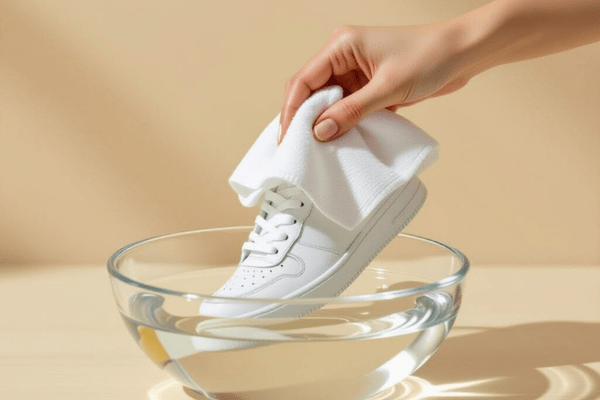
Avoid placing the shoes under flowing water or submerging them completely, as excess moisture can damage their structure.
Soaking can damage glue and foam cushioning.
Step 7: Air Dry Properly (Very Important)
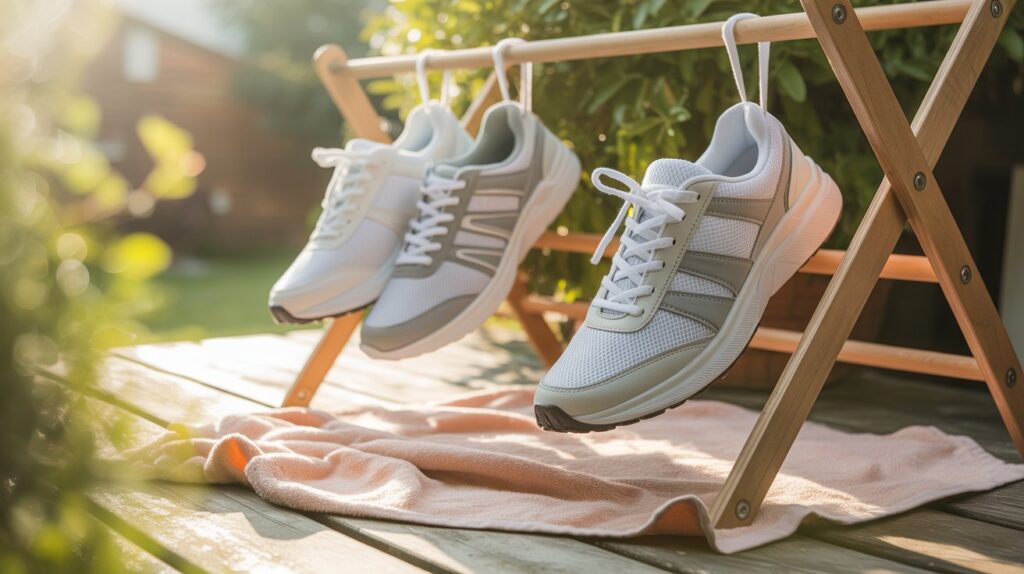
Stuff shoes with paper towels or newspaper to maintain shape and absorb moisture.
- Air dry at room temperature
- Keep away from direct sunlight or heaters
- Never use a dryer.
This step is critical in the best way to clean running shoes without ruining them.
Is It Safe to Wash Running Shoes in a Washing Machine?
Short answer: It’s not recommended.
While some brands allow it, machine washing:
- Weakens adhesives
- Deforms cushioning
- Shortens shoe life
Handwashing is always the best way to clean running shoes safely.
How to Remove Odor from Running Shoes
If smell is your main issue:
- Sprinkle baking soda inside overnight
- Use charcoal shoe deodorizers
- Let shoes fully dry between runs
- Rotate between two pairs of running shoes
Never mask odor with perfume sprays—they trap moisture.
How Often Should You Clean Running Shoes?
- Light runners: every 4–6 weeks
- Trail runners: after heavy mud runs
- Odor control: weekly airing + baking soda
Regular maintenance makes deep cleaning easier.
Common Mistakes to Avoid
❌ Using bleach
❌ Soaking shoes in water
❌ Machine drying
❌ Scrubbing aggressively
❌ Cleaning immediately while muddy
Avoiding these mistakes ensures you’re following the best way to clean running shoes properly.
Final Thoughts: The Best Way to Clean Running Shoes
The best way to clean running shoes is gentle hand cleaning, using mild detergent, soft tools, and proper air drying. This method keeps your shoes clean, odor-free, and supportive—without damaging their structure.
Clean shoes don’t just look better—they perform better and last longer.
Conclusion
Maintaining clean running shoes doesn’t need to be difficult or time-consuming. As you’ve seen, the best way to clean running shoes is gentle hand cleaning using mild detergent, soft brushes, and proper air drying. This method removes dirt, sweat, and odor while protecting the delicate materials that give your running shoes comfort and support.
By cleaning your shoes regularly and avoiding common mistakes like soaking, bleach, or machine drying, you can extend their lifespan and maintain their performance. Clean running shoes not only look better but also feel better on every run.
Make shoe cleaning part of your routine, and your running shoes will reward you with better hygiene, comfort, and durability—mile after mile.