Introduction
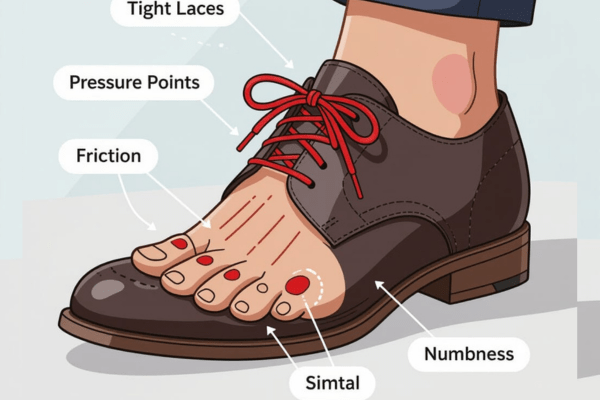
Many people often ask, “Why do shoelaces hurt my toe when walking?” This common problem happens because shoelaces can apply too much pressure or cause compression around your toes. When this happens, it can lead to pain, numbness, redness, or irritation, which makes walking uncomfortable.
Understanding the causes of this pain is very important for maintaining foot health and daily comfort. Improper lacing techniques, wearing shoes that are too narrow, or tying laces too tightly can all affect how your foot fits inside the shoe. This affects blood flow, puts stress on your nerves, and can create painful pressure points near your toes.
In this article, we will explain exactly why shoelaces hurt your toe by applying too much pressure and provide clear, practical solutions to help you adjust your shoes and lacing style. These tips will help you walk more comfortably, avoid foot problems, and protect sensitive areas like your toe box and nerves.
1. Understanding the Problem: Why Shoelaces Hurt Your Toe
Shoelaces can hurt your toe by applying too much pressure in the wrong places, especially when you’re walking for long periods. Many people don’t realize that something as small as a lace can cause serious discomfort, but it often comes down to how your shoes fit and the lacing technique you use.
When shoelaces are tied too tightly, they can compress the top of your foot and push your toes into the front of the shoe, reducing the natural space your toes need to move freely. This tightness increases friction between your toe and the shoe, which can lead to blisters, rubbing, or even pinched nerves.
A narrow toe box or poorly designed shoe also makes things worse by not giving your toes enough room to spread. As a result, your toes become compressed against each other or the shoe’s edge, especially during walking or running. If your shoelaces are placing pressure near the front, they may be directly applying force against the sensitive areas of your foot.
Common Symptoms Include:
- Sharp toe pain or burning sensation
- Numbness or tingling caused by restricted blood flow and compressed nerves
- Redness, irritation, or visible pressure points
- Formation of calluses or blisters on or near the toe
- Pain that worsens the longer you walk
These issues are more common among runners, people with bunions, or those wearing narrow shoes with tight lacing patterns. Improper lacing techniques or tying the knot too tightly can create hotspots that rub directly on the toe, especially if the laces slide forward during movement.
In Summary:
If you’re feeling pain in your toes while walking, your shoelaces, shoe design, or foot shape may be the reason. They can restrict circulation, create friction, and place pressure in areas that should remain free. Adjusting your lacing pattern, choosing shoes with a wider toe box, and avoiding over-tightening can alleviate these problems before they become more serious.
2. Common Causes of Toe Pain from Shoelaces
Shoelaces can hurt your toe by applying too much pressure, especially when combined with poor shoe fit or the wrong lacing technique. Below are the most common reasons your toes might be hurting when you walk.
2.1 Laces Tied Too Tight
Tying your laces too tightly can compress the front of your foot, squeezing the toes and causing pain. This extra pressure can affect your blood flow, leading to numbness, burning, or a pinched feeling near the top or sides of your toes.
Tight lacing may also compress nerves, which creates sharp or tingling sensations during walking. When the knot is pulled too tightly, especially over a narrow toe box, it reduces natural space inside the shoe, making your toes rub against the inside surface, which can cause blisters, calluses, and skin irritation.
Tip: Always check if your laces feel too tight at the front of your shoe. If yes, loosen the lower section slightly to relieve toe pressure.
2.2 Incorrect Lacing Technique
A standard criss-cross lacing pattern might work for most people, but if you’re experiencing toe pain, it could be creating pressure points on your foot. This often happens when the lace pattern pulls the toe box area too tightly, especially during longer walks or runs.
Certain lacing techniques can cause the laces to slide forward, pushing your foot into the front of the shoe, causing the toes to become compressed. This adds more friction and can lead to blisters or even nerve pain over time.
Solution: Try alternative lacing styles like
- Skip Lacing
- Window Lacing
- Parallel Lacing
These patterns help alleviate pressure, improve circulation, and stabilize the foot while giving the toes more room to move freely.
2.3 Shoes That Don’t Fit Properly
Wearing shoes that are too narrow or small is one of the biggest causes of toe pain from shoelaces. A tight toe box means your toes are already being squeezed, and tight laces only make the situation worse.
When the design of the shoe doesn’t allow enough space for your toes to spread, every step can cause them to rub against the inside of the shoe or each other, resulting in blisters, pain, and calluses.
Check if your shoes are causing your toes to feel compressed. Ideally, you should have a thumb’s width of space at the front of your shoe and enough width to avoid squeezing.
2.4 Foot Shape and Sensitivities
If you have certain foot conditions, like bunions, hammertoes, or naturally sensitive skin, you are more likely to feel pain from shoelaces, even if your shoes fit properly. These conditions often create points of contact where friction or compression becomes painful.
For example:
- A bunion may be irritated by tight laces or a narrow box.
- Hammertoes may rub against the top of the shoe.
- Sensitive skin may develop redness or blisters more quickly.
Protective padding, toe protectors, or bunion sleeves can help prevent direct pressure from laces on these areas.
Final Thoughts
Toe pain caused by shoelaces is often the result of compression, poor shoe fit, or the wrong lacing pattern. Recognizing these common causes is the first step in adjusting your footwear to reduce discomfort, improve circulation, and alleviate friction.
3. How to Fix Shoelace-Related Toe Pain
If your shoelaces hurt your toe when walking, the good news is there are simple, effective ways to fix it. Whether it’s compression, friction, or a pinched nerve, these methods can help alleviate pain and give your foot the space and support it needs.
3.1 Adjust Your Lacing Style
Shoelaces can hurt your toe by applying too much pressure, especially when the lacing pattern pulls the toe box too tightly. The solution? Change the way you lace your shoes to reduce friction, improve circulation, and relieve pressure points.
Here are two easy and proven methods:
Window Lacing (Box Lacing)—For Top of Toe Pressure
Best for: Toe pain on top of foot or pressure from a tight knot.
How to do it:
- Lace your shoes normally until the area just below the painful spot.
- Instead of crossing the laces, go straight up on each side.
- Resume crisscrossing above the pressure zone.
This creates a “window” that removes pressure from the top of the toe.
⛓ Skip Lacing – For Reducing Friction and Tightness
Best for: General toe compression and tight shoes.
How to do it:
- Lace your shoes normally, but skip every second eyelet.
- This leaves extra room for toes to move and reduces compressed areas.
These techniques alleviate discomfort, allow better blood flow, and reduce the chance of blisters, numbness, and pinched nerves. You can also loosen the knot slightly for extra comfort without sacrificing security.
Visuals coming soon: Diagrams for both lacing techniques.
3.2 Choose the Right Shoes
Sometimes it’s not just the lacing—it’s the shoes themselves. A narrow toe box or poor design can squeeze your toes even before you tighten the laces.
Tips for Shoe Selection:
- Always choose shoes with a wide toe box so your toes can spread naturally.
- Avoid shoes where your toes feel compressed, especially around the top or sides.
- When trying new shoes, wear the socks you plan to use daily. This gives an accurate fit.
- Check for at least a thumb’s width of space between your longest toe and the end of the shoe.
Poorly fitting shoes can create pressure points, increase friction, and worsen existing foot issues like bunions or calluses.
3.3 Use Cushioning and Protective Gear
If you already have sensitive toes or suffer from burning, blisters, or toe pain, adding extra padding can help.
Try These Foot Protection Tools:
- Toe pads or gel protectors to reduce pressure and friction
- Moleskin or tape to cover rubbing areas and prevent blisters
- Soft insoles with added arch support to improve overall foot positioning
- Bunion pads to protect sensitive spots from lace pressure
These additions stabilize the foot, prevent sliding forward, and reduce painful contact between toe and shoe.
3.4 Don’t Over-Tighten
One of the biggest mistakes is tying your shoelaces too tightly. This causes:
- Reduced blood flow
- Pinched nerves
- Compressed toes
- Increased friction leading to calluses or rubbing
How Tight Should Your Laces Be?
- Snug, but not tight—your foot should feel secure, but you should still be able to wiggle your toes.
- If your foot slides forward, consider tightening only the midfoot, not the toe area.
- Never overtighten the topknot. Instead, use heel-lock lacing to keep your heel in place without hurting your toes.
Final Thoughts
If shoelaces hurt your toe when walking, don’t ignore it—these small adjustments can make a big difference. By adjusting your lacing style, choosing proper footwear, adding the right padding, and avoiding over-tightening, you can alleviate pressure, improve circulation, and walk comfortably again.
4. When to See a Doctor or Specialist
Sometimes, shoelaces can hurt your toe by applying too much pressure, and the pain goes away after adjusting your lacing technique, choosing the right shoe, or using padding. But in some cases, persistent pain can be a sign of a deeper medical issue.
Signs That Your Toe Pain May Need Medical Attention
If you notice any of the following symptoms, it’s best to consult a doctor, podiatrist, or foot specialist:
Persistent or Increasing Pain
If your toe pain continues even after changing shoes or loosening your laces, it may be more than just compression or friction. Ongoing pain could indicate an issue with your nerves, joints, or bones.
Burning, Numbness, or Tingling
These sensations often point to pinched nerves or poor blood flow. Tight lacing or compressed shoes can worsen the issue, but if the symptoms continue or spread, it may signal a condition like neuropathy or nerve inflammation.
Severe Redness, Swelling, or Blisters
Occasional blisters or rubbing from tight shoes is common, but if the skin becomes red, swollen, or infected, it’s time to get help. This is especially important for people with diabetes or poor circulation.
Visible Deformities or Bone Pain
Pain near a bunion, hammertoe, or other foot deformity can worsen due to shoelace pressure. If the toe looks misaligned, swollen, or painful to touch, a doctor can recommend proper orthotics, shoe inserts, or even medical interventions.
When Professional Treatment Is Necessary
You should contact a specialist if:
- Pain affects your ability to walk normally.
- There’s bleeding, open sores, or signs of infection.
- The toe looks bent, twisted, or structurally damaged.
- Home treatments like lacing adjustments, padding, or wider shoes don’t alleviate the pain.
Final Advice
While it’s true that shoelaces can hurt your toe by applying too much pressure, not all toe pain is caused by shoes. If your discomfort lasts more than a few days or gets worse, don’t ignore it. Getting a proper diagnosis ensures you’re not treating the wrong cause—and it helps you get back to comfortable walking faster.
Conclusion
Ever wondered, why do shoelaces hurt my toe when walking?
The main reasons are usually tight lacing, poorly fitting shoes, friction, or sensitive feet.
Common causes include:
- Laces tied too tight → causes compression and numbness
- Wrong lacing technique → creates pressure points
- Narrow shoes → squeeze the toe box
- Foot issues like bunions or hammertoes
Easy fixes you can try:
- Use window lacing or skip lacing
- Wear shoes with a wider toe box.
- Add toe padding or gel insoles
- Don’t overtighten the topknot.
Making small changes can reduce pain and improve comfort fast.
5. (FAQs)
1: Why do my toes feel numb when laced tightly?
When shoelaces are tied too tightly, they can cause compression around the toe box, reducing blood flow and irritating nerves. This leads to a numb or tingling sensation, especially while walking.
It’s one of the top reasons people ask.
“Why do shoelaces hurt my toe when walking?”
Try loosening the lower laces or switching to window lacing to relieve toe pressure.
2: Can I use elastic laces to reduce pain?
Yes! Elastic laces stretch and adjust with your foot movement, which can help reduce friction, prevent pinching, and avoid compressed areas around the toes.
They’re especially useful for:
Runners
People with bunions or sensitive feet
Shoes with a narrow toe box
They allow natural foot flex and can improve overall comfort during walking.
3: Are there specific shoelaces better for sensitive feet?
Yes. Look for flat, wide, or elastic shoelaces made from soft materials. These reduce pressure points, minimize rubbing, and stay secure without needing to be tied too tightly.
Ideal features include:
No-slip grip
Low-friction material
Stretch or padded design
These options help avoid the issue of shoelaces hurting your toe by applying too much pr
4: How often should I replace shoelaces?
laces when you notice:
Fraying or thin spots
Loss of stretch or flexibility
Trouble keeping a secure knot
Worn-out laces can dig into the foot, cause uneven pressure, and even contribute to toe pain by pulling the shoe too tightly in one area.
On average, replace them every 4–6 months if used daily.
.