1. Introduction
Strong Bootlaces for Steel Toe Boots are essential for anyone working in tough environments where safety and durability matter most. If you’ve ever had your laces snap in the middle of a workday, you already know how frustrating—and dangerous—it can be. That’s why choosing the right bootlaces is more important than most workers realize.
Steel-toe boots are built for protection in demanding environments like construction sites, factories, and industrial zones. But even the toughest boots rely on one small component to stay secure—your laces.
Weak or worn-out laces can lead to loose boots, discomfort, or even workplace accidents. Upgrading to heavy-duty boot laces ensures your footwear performs at its best, keeping you safe, stable, and focused throughout the day.
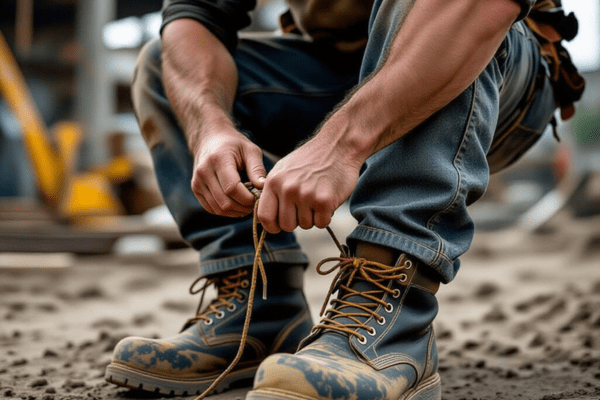
Why Steel Toe Boots Need Strong Bootlaces
Steel-toe boots are designed for extreme conditions—but standard laces are not.
High-Stress Environments
Work environments expose your boots to:
- Sharp edges
- Oil and chemicals
- Mud and water
- Constant movement
Ordinary laces wear out quickly under these conditions. That’s why durable laces for work boots are essential—they’re built to handle pressure without breaking down.
Risks of Weak Laces
Using low-quality laces can cause serious issues:
- Safety hazards from loose or untied boots
- Reduced productivity due to constant re-tying
- Poor fit leading to discomfort and instability
Reliability Matters
When you’re climbing ladders or handling heavy equipment, your gear should never fail you. Strong bootlaces provide:
- Long-lasting durability
- Secure fit all day
- Peace of mind in tough conditions
Key Features of Strong Bootlaces for Steel Toe Boots
Not all laces are created equal. Here’s what to look for in 2026:
1. High Tensile Strength
Top-quality laces resist snapping and stretching, even under heavy stress.
2. Abrasion Resistance
Materials like Kevlar and paracord prevent fraying caused by metal eyelets and rough surfaces.
3. Heat & Water Resistance
Essential for industrial jobs—especially welding or outdoor work. The best laces resist:
- Heat and sparks
- Water and moisture
- Oil and chemicals
4. Reinforced Aglets
Strong tips prevent fraying and make lacing easier—especially for tall boots.
5. Proper Length Fit
Always match lace length with boot height to avoid discomfort or tripping hazards.
Best Materials for Strong Bootlaces (2026 Updated)
Material choice directly impacts performance and durability.
Kevlar Laces
- Extremely strong and heat-resistant
- Won’t melt or snap easily
- Best for: welders, firefighters, industrial workers
Paracord Laces
- Military-grade strength
- Flexible and moisture-resistant
- Best for: outdoor workers and hikers
Waxed Laces
- Water- and dirt-resistant
- Stay tied longer due to better grip
- Best for: wet or muddy environments
Nylon Laces
- Strong yet flexible
- Budget-friendly and widely available
- Best for: everyday work use
Top Recommended Bootlaces for Steel Toe Boots (2026 Picks)
Here are the best-performing bootlaces this year based on durability, user reviews, and performance:
1. Rhino Laces – Extreme Durability
Best for: Heavy industrial work
- Fire-resistant and cut-proof
- Reinforced design
- Built for extreme environments
✔ Pros: Ultra-strong, long-lasting
✖ Cons: Higher price
2. IRONLACE Kevlar Boot Laces
Best for: Construction & welding
- Heat-resistant up to high temperatures
- Waterproof and corrosion-resistant
- Lifetime guarantee
✔ Pros: Maximum durability
✖ Cons: Slight stiffness initially
3. TOUGH-GRID Paracord Laces
Best for: Outdoor and general work
- Military-grade 550 paracord
- Lightweight and versatile
✔ Pros: Affordable, flexible
✖ Cons: Not ideal for high heat
4. Miscly Heavy-Duty Laces
Best for: Everyday work use
- Durable polyester build
- Multiple length options
✔ Pros: Budget-friendly
✖ Cons: Not for extreme jobs
5. Tactical Rope Laces (MilSpec Style)
Best for: Tactical and factory workers
- Stretch-resistant design
- Strong and lightweight
✔ Pros: Reliable and simple
✖ Cons: Limited availability
How to Choose the Right Bootlace Length
Getting the correct length is crucial for comfort and safety.
Quick Size Guide
- 6-inch boots → 45–54 inches
- 8-inch boots → 54–63 inches
- 10-inch boots → 63–72 inches
- 12-inch boots → 72–84+ inches
Pro Tips
- Choose longer laces if unsure.
- Consider your lacing style.
- Thicker laces may require extra length.
Care Tips to Extend Bootlace Life
Even the strongest laces need maintenance.
Cleaning
- Soak in warm water with mild detergent
- Gently scrub dirt and oil
- Air dry (avoid heat exposure)
Secure Tying Methods
- Double knot for daily use
- Surgeon’s knot for extra tension
- Lace lock for ankle support
When to Replace
Replace laces if you notice:
- Fraying or thinning
- Loose grip
- Damaged aglets
Customer Reviews (2026 Insights)
Real users report major improvements after upgrading:
- “No more re-tying all day—huge time saver.”
- “Perfect for welding—doesn’t burn or melt.”
- “Lasts months longer than regular laces.”
Common Benefits
✔ Stay tied all day
✔ Handle harsh environments
✔ Improve safety and comfort
Conclusion
Upgrading to strong boot laces for steel toe boots is a small change that delivers big results. From better safety to longer lifespan, high-quality laces ensure your boots perform at their best every day.
Don’t settle for weak laces that fail when you need them most. Invest in heavy-duty boot laces that match the strength of your boots—and your work.
👉 Discover more expert guides and top-rated options at Best Shoelaces—your trusted source for durable, high-performance Introduction laces. -toe
FAQs
1. Why do steel-toe boots need strong bootlaces?
Steel-toe boots are designed to protect your feet in harsh work environments like construction sites, factories, and heavy industrial settings. These environments put a lot of stress on your boots, especially the laces. Standard shoelaces often wear out quickly, snap, or come undone, creating safety hazards such as tripping or loose boots. That’s why durable laces for work boots are essential—they offer the strength and reliability needed to keep your boots securely fastened throughout the workday, improving both comfort and safety.
2. What materials are best for strong bootlaces for steel-toe boots?
The best durable laces for work boots are made from high-quality, tough materials that resist abrasion, heat, and moisture. Popular options include Kevlar, which is lightweight yet incredibly strong; paracord, known for its military-grade durability; and heavy-duty nylon, offering great flexibility and wear resistance. These materials help the laces withstand the harsh conditions of industrial and construction sites, ensuring your laces won’t break or fray easily.
3. How long should strong bootlaces for steel-toe boots be?
Choosing the right length for your durable laces for work boots depends mainly on the height of your boots and the number of eyelets. For most 6- to 8-inch steel-toe boots, laces between 45 and 63 inches work best. Taller boots with more eyelets may need longer laces, up to 72 inches or more. To find the perfect fit, measure your old laces from tip to tip or check a lace length chart based on your boot’s height and lacing style. The right lace length ensures a secure fit without excess that could cause tripping.
4. Can I wash strong bootlaces for steel-toe boots?
Yes, you can clean your durable laces for work boots to keep them looking good and performing well. It’s best to hand wash them gently using mild soap and warm water. Avoid harsh chemicals or bleach, as these can weaken the fibers. After washing, rinse thoroughly and air-dry them away from direct heat or sunlight to prevent damage. Regular cleaning removes dirt, oils, and debris that can cause your laces to wear out faster.
5. When should I replace my strong bootlaces for steel toe boots?
Even the toughest heavy-duty boot laces won’t last forever. You should replace your durable laces for work boots if you notice signs of wear like fraying, stretched or loose laces, damaged or missing aglets (the lace tips), or if they no longer stay tied properly. Using worn-out laces can compromise your safety by reducing your boots’ stability and fit. It’s wise to keep an extra pair of strong replacement boot laces handy so you can swap them out as soon as you spot any damage.